
7 Part Self-Paced Course
Songs Of Mother Europe
The Lullaby Edition
Explore the old lullabies of Europe through a timeless journey of song, story, and ancestral connection.

Video Editor: Jakub “Goldfinch” Szczygieł
Teachers have been featured in





What are some of the old European lullabies that have been carried down through the ages? And what are the blessings that they contain?
At the heart of this Songs of Mother Europe series has always been the prayer and desire for reconnection. May this workshop series be a small and vibrant thread in this great work of remembering and reweaving.
Many of us with European ancestry are tracking a deeper connection with our ancestral roots. There’s a yearning for the songs, stories, craft and teachings that can help us to reconnect with some sense of what has been lost and forgotten, and help us to place ourselves within a greater story of belonging.
This Songs of Mother Europe project exists to help provide nutrients for those of us who have felt disconnected and hungry for the ancestral and indigenous wisdom of Europe.

Six song carriers will point us back to our indigenous European roots through the teaching of old songs and ways of singing.
This Songs of Mother Europe series is intended to connect you more deeply with your ancestral remembrance – in visceral ways – through learning old songs and methods of singing.
We know that song has the power to awaken ancient memory.
Our prayer is that this series will do just that.
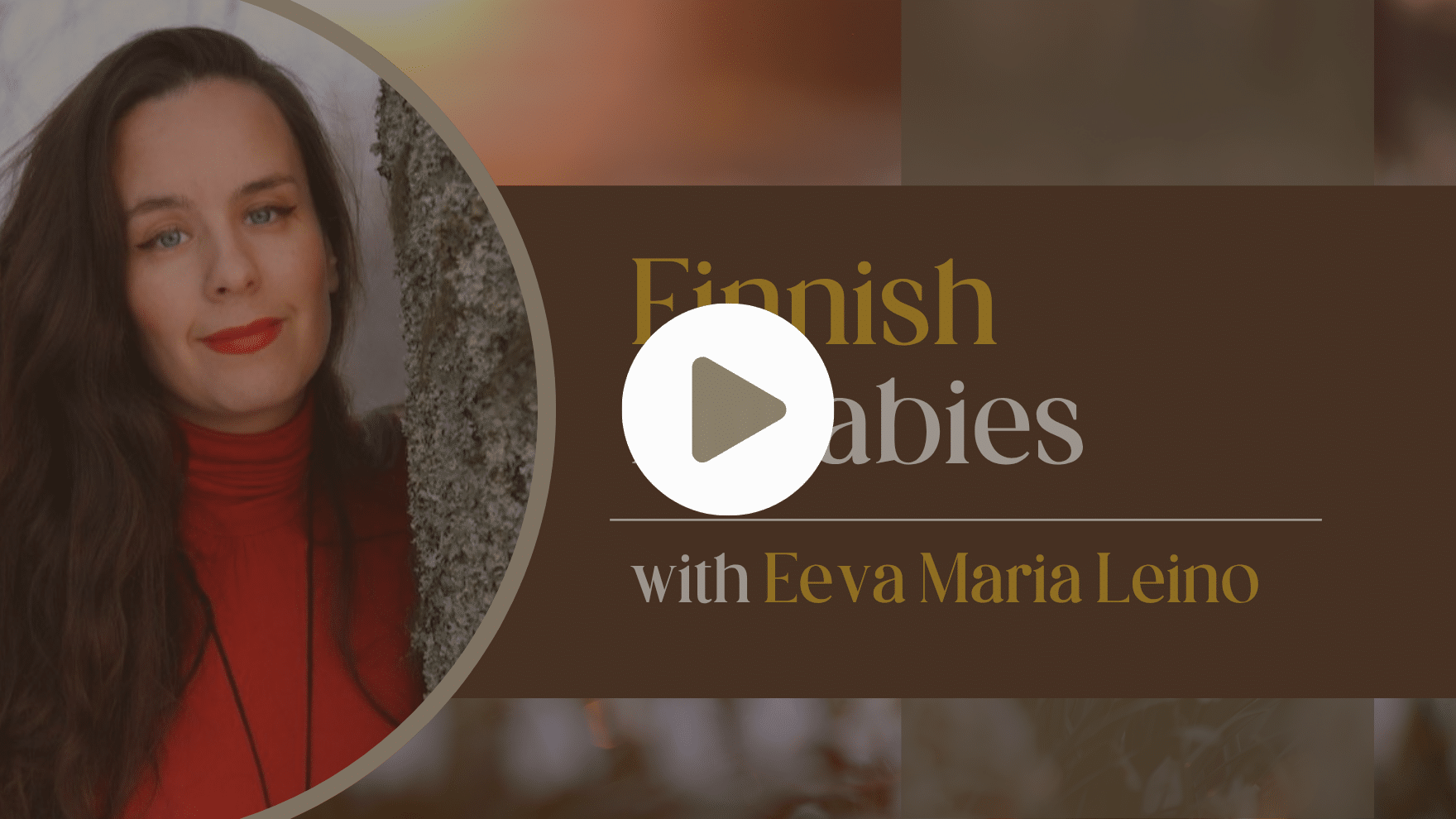
Eeva Maria Leino grew up in the Finnish countryside and has dedicated herself to the study and teaching of…
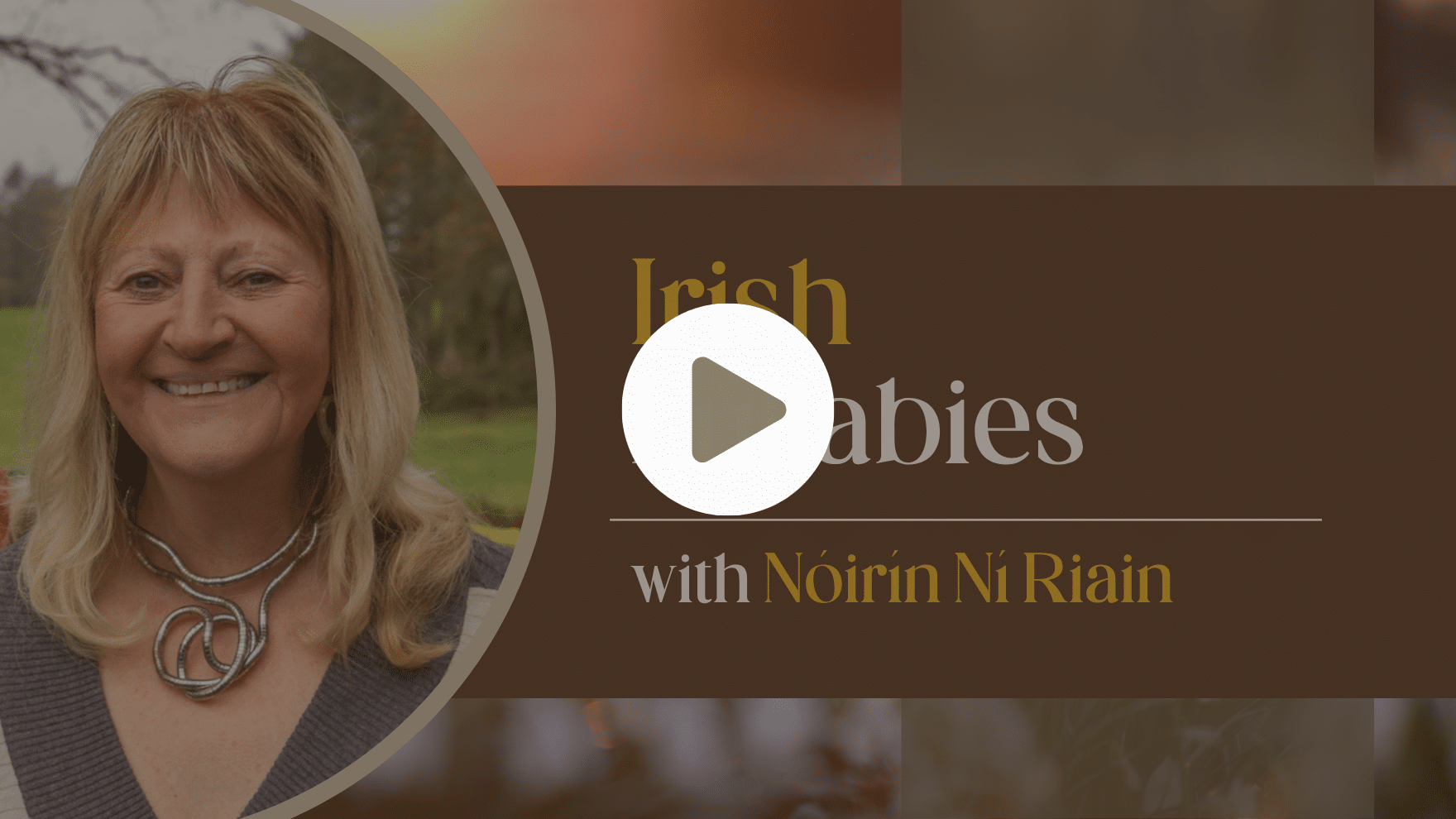
Nóirín has traversed many diverse paths during her life-time and lives our her life in great gratitude for…
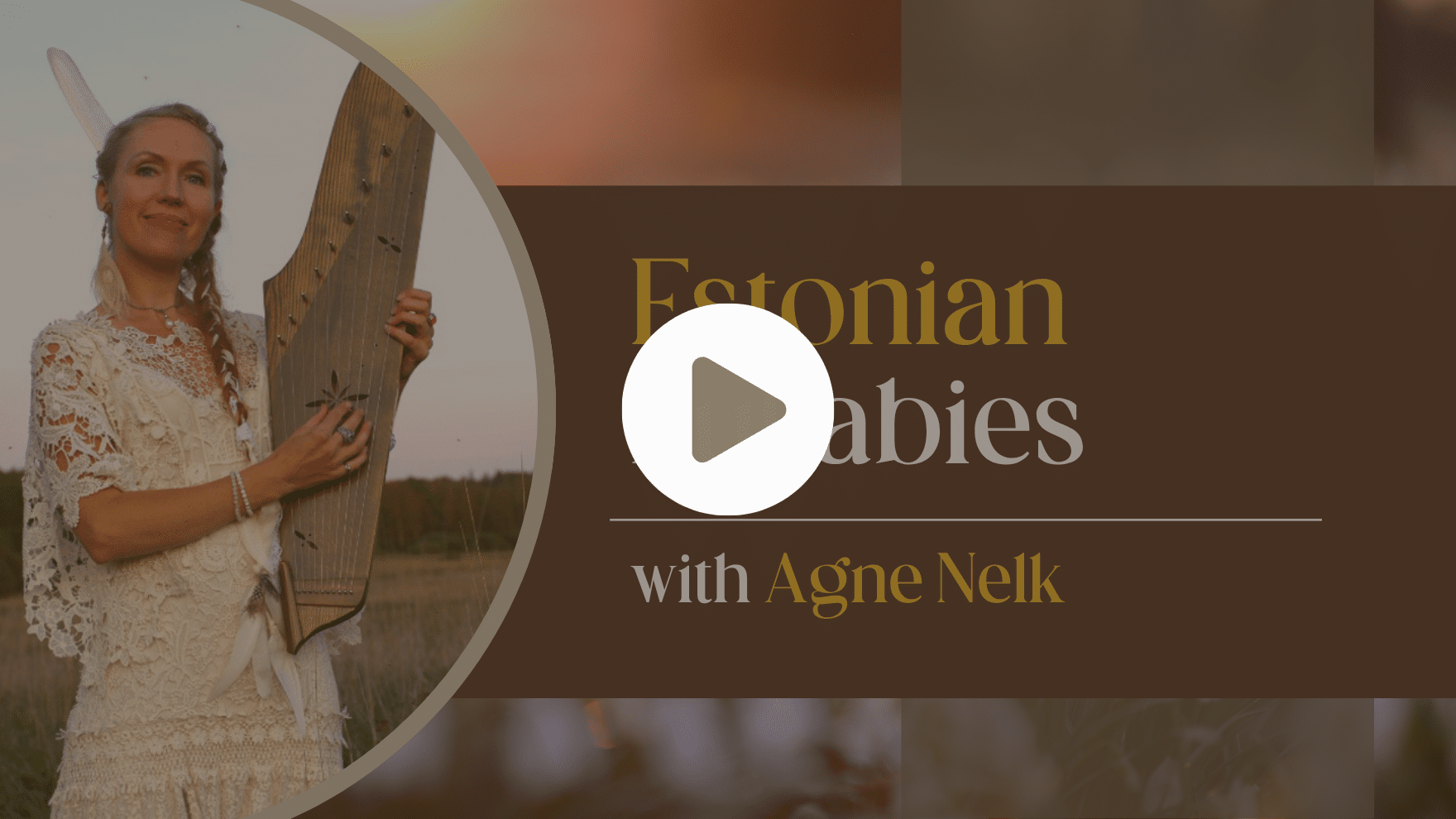
Agne Nelk is an Estonian audiovisual artist, guardian of ancestral wisdom, a keeper and weaver…
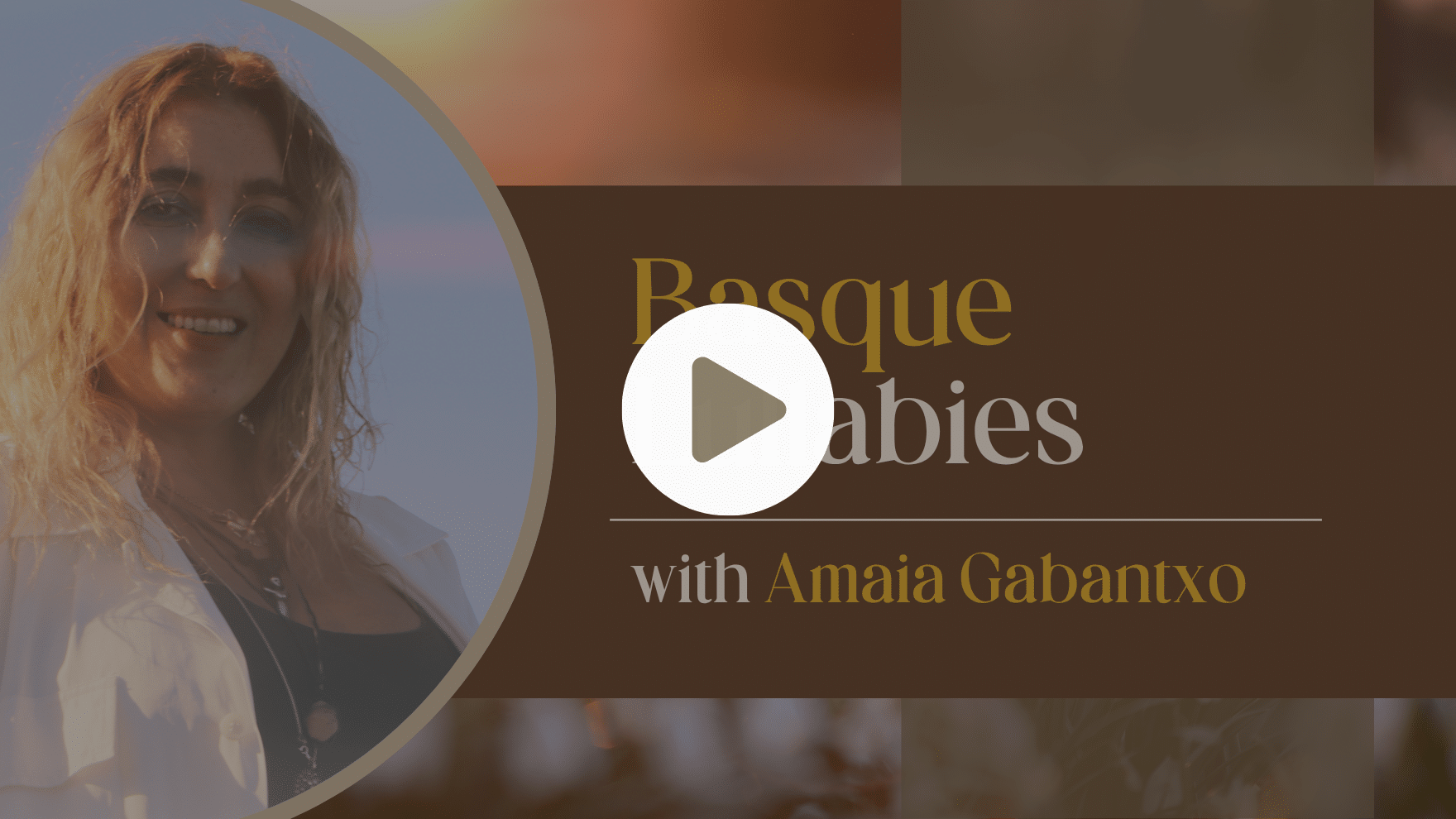
Amaia Gabantxo is an award-winning multidisciplinary artist and storyteller working in the…
Born in Porto, Portugal, Mariana Root grew up among her sisters, mother, aunts, and grandmother…
Elin Kåven is a Sami singer, songwriter and yoiker from Karasjok. With close to 20 years as a Sami artist…
Hanna Leigh is a Singer-Songwriter, Doula, Vocal Embodiment Guide, and devotee of this precious…


Those who wish to learn old songs and ways of singing from Europe
Lovers of song (even if you don’t consider yourself a “singer”)
Those who are inspired to connect with ancestral wisdom and remember the old ways
Those who could benefit from the soothing power of singing lullabies
Many may have forgotten the old ways, though gratefully there are those still keeping the skills and songs alive, and others of us who are relearning them.
Through the songs and sounds shared by our guest teachers, may the living reality of earth and ancestral belonging be rekindled within you.
Eeva Maria Leino invites us to discover Finnish lullabies, passed through generations and sang in their traditional melodical and poetic structures even today. Eeva accompanies the class with Finnish traditional instrument – the kantele – and introduces us to the abundance of forgotten protective symbolism of Finnish poem-singing culture.
Nóirín Ní Riain depicts Irish lullabies as musical forms that interweave the mundane and spiritual realms together, contained within ages-old mythical story. She teaches us traditional Irish ornamentation techniques and guides us through a selection of lullabies she gathered directly from elders of her community, facilitating a sense of profound encounter with the sacred embedded in everyday song.
Agne Nelk and her daughter introduce us to the world of Imemaa – mythical Dreamland of Estonian folklore, inhabited by sleep fairies and oneiric creatures. Upon learning about the provenience of Finno-Ugric cultures and encountering traditional instrumentation of Estonia, we sing our way to the land of Sleep and Wonder.
Amaia Gabantxo shares pieces of children lore and music culture of one of the oldest ethnic group in Europe. She teaches us old Basque lullabies – both those inspired by movement of the seawaves with lyrics bursting with love as well as ones filled with fearsome themes commonly found in songs for children.
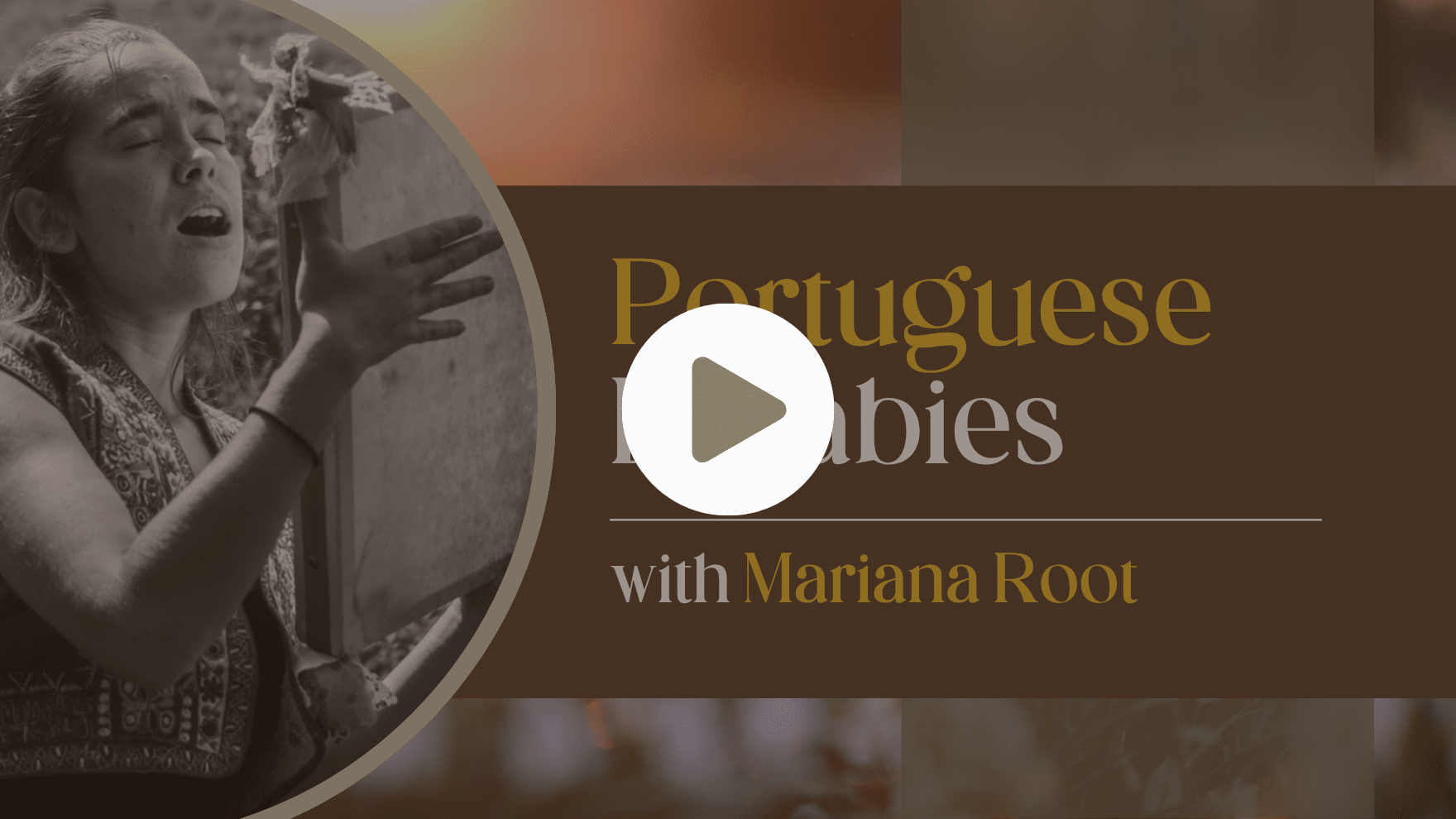
Joining us during her final weeks of pregnancy, Mariana Root shares her deep connection to song, land, and motherhood. She introduces the adufe, a traditional square drum from her northern roots, and teaches us a lullaby of comfort and blessing. Through breath, movement, and melody, Mariana leads exercises to awaken the “honey” in each voice and connect with the nurturing essence of the mother and spirit of the land.
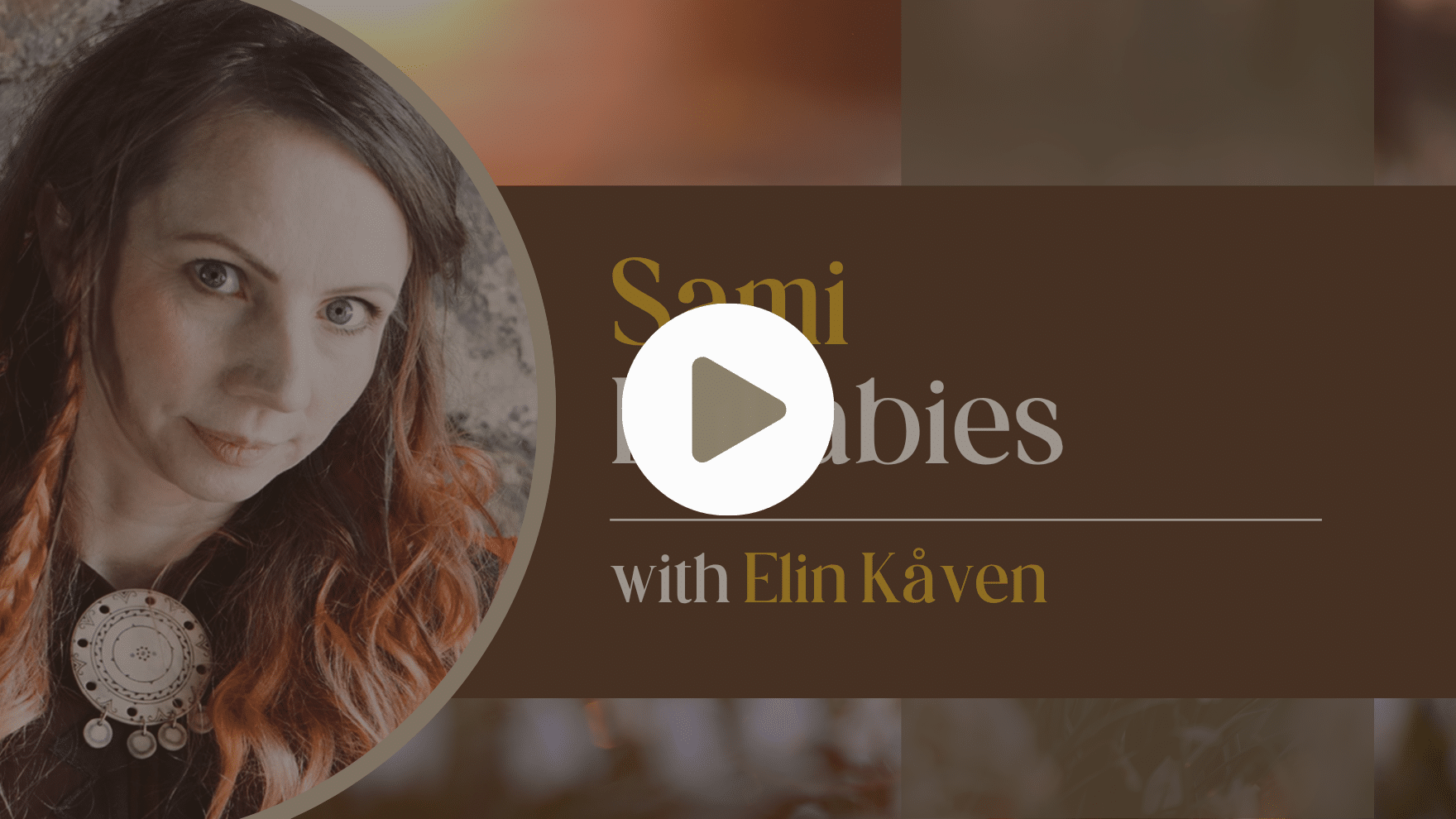
Elin Kåven shares with us the old Sami singing technique called “joik” and explains the philosophy of this way of channeling the essence of all living creatures, all in the context of the painful history of Nordic colonization. Through practical exercises Elin guides us in this singing technique and teaches us the old ways of soothing babies through channeling their own joiks for them.
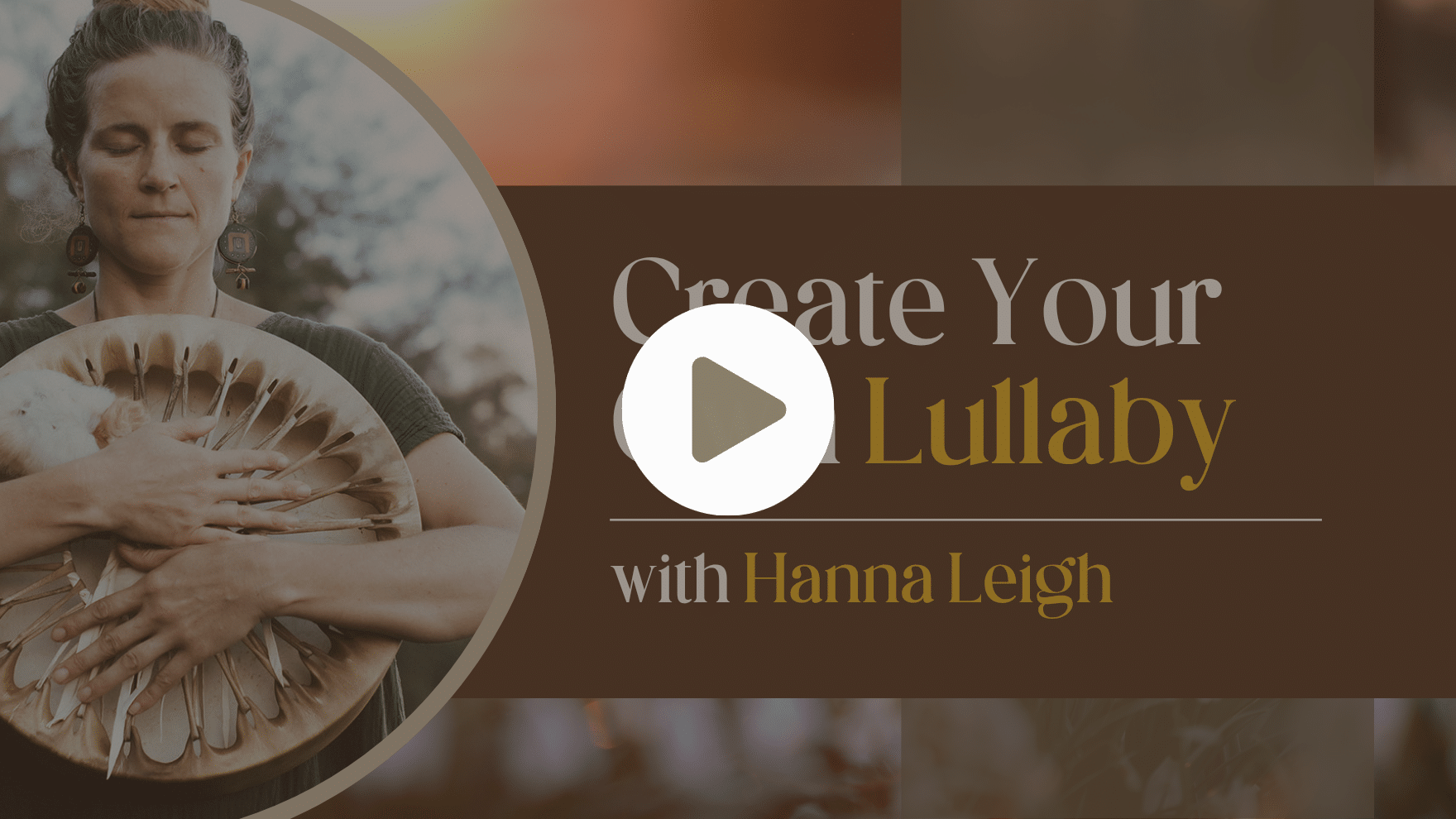
Through simple exercises, Hanna Leigh, founderess of Weaving Remembrance, helps us create our own lullaby, easing us into our intuitive soothing abilities. The lullaby, enriched with words of Proto-Celtic origin, forms into a nourishing, ephemeral and intuitive practice.